Why “the model was wrong” misses the point
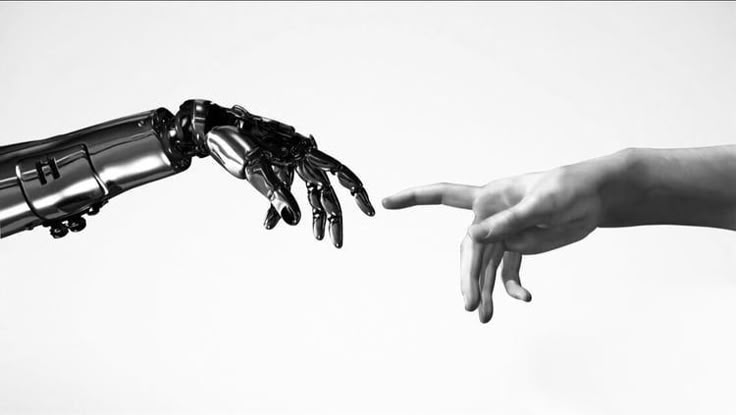
When an AI tool generates something inaccurate, we call it a “hallucination.”
But users don’t say, “The model hallucinated.”
They say: “This product gave me bad info.”
Which means: it’s a UX problem.
The User’s Reality
From a user’s perspective, they’re not interacting with a large language model or neural network. They’re using a product that promised to help them solve a problem. When that product delivers unreliable information, the technical explanation doesn’t matter — the experience has failed them.
This shift in perspective is crucial for designers working with AI. We might not have direct control over model accuracy, but we absolutely control how users experience and interpret that uncertainty.
Design as the Trust Interface
As designers, we might not control the model, but we can shape how the system communicates uncertainty, guides expectations, and handles mistakes.
The interface becomes the mediator between imperfect AI capabilities and user needs. Every design decision either builds appropriate trust or sets users up for disappointment.
Patterns for Navigating Uncertainty
Here are a few design patterns I’ve been exploring:
Transparent confidence indicators — Not buried in tooltips or fine print, but visible signals that help users calibrate their trust. When the system is uncertain, make that uncertainty a feature, not a bug.
Clear response framing — The difference between “Here’s a possible summary” and “This is what happened” is enormous. Language shapes expectations, and expectations shape trust.
Human-in-the-loop moments — Design for verification, not just generation. Sometimes the best AI experience includes a clear path to human confirmation or a second opinion.
Copy that encourages verification — Instead of presenting AI outputs as final answers, frame them as starting points that invite critical thinking and verification.
Calibrated Trust, Not Blind Faith
Design shapes trust. And trust in AI needs to be calibrated, not blind.
The goal isn’t to make users trust AI completely — it’s to help them trust it appropriately. This means being transparent about limitations, celebrating AI’s strengths where they exist, and always keeping the human in the decision-making seat.
When we frame AI hallucinations as purely technical problems, we miss the opportunity to design better human experiences. When we recognize them as UX challenges, we can build products that work with AI’s limitations rather than despite them.